Fire and Flood Restoration LITTLEROCK CA
Fire and Flood Restoration LITTLEROCK CA is the service that puts your home or business back together after a fire, a suppression line, or a burst pipe. We handle fire and water damage restoration in LITTLEROCK for homeowners, renters, landlords, and commercial property owners across Los Angeles County. One crew handles the soot, the smoke odor, the standing water, and the structural drying, so you are not juggling three contractors while your house sits open.
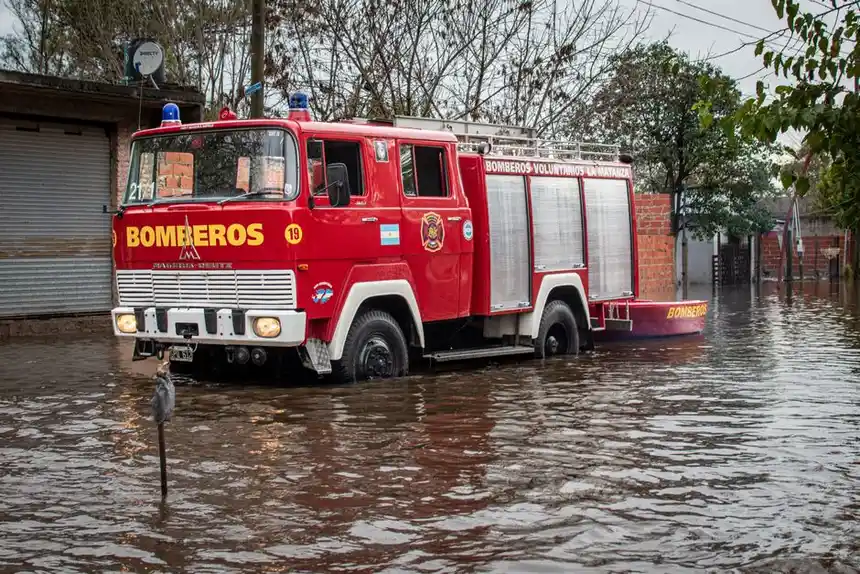
Service overview
What Fire and Flood Restoration LITTLEROCK CA covers
Fire and Flood Restoration LITTLEROCK CA is the combined cleanup and rebuild work that follows a fire and the water used to put it out. A kitchen fire leaves grease residue on the cabinets and smoke pushed into every closet; the hose line that killed it leaves two inches of water in the hallway and saturated drywall. We scope the whole property, extract the water, remove charred and unsalvageable material, treat soot on walls and ceilings, run air scrubbers and dehumidifiers until the framing reads dry on a moisture meter, and then rebuild what came out. In LITTLEROCK and the wider Antelope Valley, the dry air and hot summers mean fire risk runs year-round, and wind-driven smoke finds gaps in older construction fast. We see a lot of fire and water damage restoration LITTLEROCK CA jobs where the fire itself was small but the smoke and suppression water did most of the damage. If you are searching for fire and flood restoration near me LITTLEROCK CA at two in the morning, we answer and we roll.
! Problems we solve
Smoke odor that returns after cleaning
Smoke odor penetration into insulation, framing, and ductwork comes back as soon as the weather changes or the heat comes on, and the house never feels clean again.
Mold growth after fire suppression
Suppression water sits in wall cavities and under flooring, and mold can start within 24 to 48 hours. Once it establishes, materials that survived the fire have to be removed anyway.
Insurance claim documentation gaps
A claim missing photos, moisture logs, or a room-by-room scope gets delayed or underpaid, and the homeowner ends up covering work the policy should have handled.
Scope of work
What is included in fire and flood restoration
Every loss is different, but the core scope covers the work that has to happen in order. Here is what is included in a standard fire and flood restoration job, and what we scope separately once we have seen the property.
-
01
Water extraction and drying
Standing water removal with truck-mounted extraction, followed by air movers and dehumidifiers running until moisture readings in the framing and subfloor return to normal. We log readings daily so the drying is documented, not guessed.
-
02
Soot and char removal
HEPA vacuuming of loose soot, chemical sponge cleaning of walls and ceilings, removal of unsalvageable material, and haul-out of debris. Charred framing is assessed for structural section before any decision to keep or replace it.
-
03
Smoke odor treatment
Air scrubbing during the work, then thermal fogging, hydroxyl generation, or ozone treatment depending on the space and occupancy. HVAC system smoke contamination is addressed at the air handler and ductwork, not just in the rooms.
-
04
Rebuild and documentation
Drywall, trim, paint, flooring, and cabinetry replacement after the cleanup is signed off, plus the photo log, moisture records, and itemized scope your insurance adjuster needs to close the claim.
Why one crew beats three
Splitting fire cleanup and water cleanup between two companies is how jobs stall. One crew, one scope, one set of photos for your adjuster, and one schedule you can actually track.
Request a crewEquipment and standards we work to
Thermal imaging camera
Finds hidden moisture behind walls and ceilings after suppression water, and locates hot spots and char inside cavities that are not visible from the surface.
Moisture meter
Gives a numeric reading on framing, drywall, and subfloor so drying is tracked against a baseline rather than judged by touch.
Air scrubber and negative air machine
Filters airborne soot and smoke particles with HEPA filters and keeps contaminated air from spreading into unaffected rooms during demolition and cleaning.
Hydroxyl generator and ozone generator
Treats smoke odor penetration in the structure and contents. Hydroxyl generation is used where occupants need to remain nearby; ozone treatment is used in unoccupied spaces.
Local execution
LITTLEROCK sits in the Antelope Valley, which means hot, dry summers, strong wind events, and a fire season that does not really end. Wind-driven smoke finds gaps in older construction fast, and a fire that starts in one room can push smoke into an entire house before the department arrives. The housing stock matters too: mid-century tract homes and older properties often have original wiring, older plumbing, and wall cavities that hold suppression water longer than modern construction. We adjust drying times and equipment counts to the building, not to a generic formula. When you call for fire and water damage restoration LITTLEROCK CA 24/7, we ask about the age of the house and the type of fire before the crew leaves, because a kitchen grease fire in a 1950s rental needs a different approach than an attic fire in newer construction. If you need fire and flood restoration near me LITTLEROCK CA on a weekend or holiday, the on-call crew is the same crew that works weekdays, and the documentation process does not change.
How fire and flood restoration runs in LITTLEROCK
- • Quapaw Quarter
- • Otter Creek
- • Midtown
- • Breckenridge Village
Before and after
Available 24/7 for LITTLEROCK emergencies
When emergencies happen, we answer
Fire and flood losses do not wait for business hours, and neither do we. Calls to (833) 929-6186 are answered around the clock, and a crew is assigned the same call. Most LITTLEROCK addresses see a crew within 60 to 90 minutes, and the first visit always includes an assessment, utility guidance, and either water extraction or board-up depending on what the property needs. Our trucks carry extraction equipment, air movers, dehumidifiers, HEPA vacuums, soot sponges, and board-up materials, so the first visit is productive rather than a look-and-leave. We keep enough drying equipment on hand to handle a multi-unit apartment loss without waiting on a rental. As a fire and water damage company LITTLEROCK property owners call at any hour, we confirm the arrival window when you call and we tell you what to do with the power, gas, and water before we arrive.
How the restoration process runs
Emergency call and site check
You call (833) 929-6186 and describe what happened. We ask about the fire's location, whether the power is off, and where the water went. A crew arrives, walks the property with you, and confirms the structure is safe to enter before anyone starts pulling material. This first visit usually takes 45 to 90 minutes.
Water extraction and stabilization
Standing water comes out first with truck-mounted extraction and wet vacuums. We photograph moisture readings with a moisture meter and thermal imaging camera so there is a documented baseline, then set drying equipment. Board-up and roof tarping happen here too if the fire opened the envelope.
Soot, char, and smoke removal
We remove unsalvageable material, HEPA vacuum the loose soot, and clean the rest with chemical sponges and dry cleaning solvent matched to the surface. Kitchen grease fire residue needs a different approach than electrical fire damage, and we adjust the method per room rather than running one cleaner over everything.
What fire and flood restoration costs
Typical 2026 pricing in the LITTLEROCK area runs $3,500 to $18,000 for a residential fire and flood restoration job, with water extraction and drying alone at $1,200 to $4,500 depending on the number of rooms and drying days. Small single-room losses land at the low end; whole-house rebuilds go higher. We give you a written scope before work begins, and in most insured losses the policy covers the majority of the cost. The number that matters is the total scope, not the hourly rate, so we price the job rather than the clock.
Size of the affected area
A single room with contained damage is a different job than a fire that reached the attic and pushed smoke through the whole house. Square footage drives equipment count, material removal, and rebuild labor more than any other factor.
Water volume and drying time
Suppression water that sat overnight or reached the subfloor takes longer to dry and may require more equipment and more days on site. Fast extraction on the first visit reduces both the drying time and the final cost.
Material salvage versus replacement
Cleaning and saving cabinets, flooring, and fixtures costs less than replacing them, but only when the material can actually be saved. We assess each item and tell you which way is cheaper and which way is more reliable long term.
Frequently asked questions
How much does fire and flood restoration cost in LITTLEROCK CA?
Most residential fire and flood restoration jobs in LITTLEROCK run $3,500 to $18,000 in 2026, with small single-room losses at the low end and whole-house rebuilds well above that. Water extraction and drying alone typically runs $1,200 to $4,500 depending on how many rooms and how long the equipment runs. We give you a written scope before work starts, and in most insured losses the policy covers the majority of the cost.
Can fire and water damage be restored in LITTLEROCK?
Yes. Most fire and water damage in LITTLEROCK can be restored rather than replaced, including smoke-damaged drywall, charred framing that has not lost structural section, and water-soaked flooring that gets dried within 48 hours. The exceptions are materials with heavy char, saturated particleboard, and anything with mold growth already established. We assess each material and tell you plainly what can be saved and what has to come out.
Who does fire and flood restoration near me in LITTLEROCK, California?
Fire Damage Restoration Littlerock does, and we cover the whole city plus the surrounding Los Angeles County area. Call (833) 929-6186 and we will confirm coverage for your address, including ZIP 93543 and neighboring areas. We handle the water extraction, soot and smoke cleanup, odor treatment, and the rebuild, so you deal with one company from the first call to the final walkthrough.
Does insurance cover fire and flood damage in LITTLEROCK?
Standard homeowners and commercial property policies in California typically cover fire damage and the water damage caused by firefighting, usually under the same claim. The key is documenting both losses together. We photograph and log everything, keep daily moisture readings, and write the scope in the format adjusters expect, which helps the claim move without repeated requests for more information.
Related services
Smoke Damage Restoration
Smoke travels farther than the fire does. We treat walls, ceilings, closets, and ductwork in LITTLEROCK homes where the burn was contained but the smoke was not, using HEPA vacuuming and odor counteractant before any paint goes back up.
Fire Damage Clean Up
Debris removal, charred material haul-out, and surface cleaning after a fire in LITTLEROCK. This is the phase that makes the property safe and presentable for the adjuster's inspection and for the rebuild crew that follows.
Call for Fire and Flood Restoration LITTLEROCK CA
Fire losses get worse overnight when the structure is open or the water is still standing. Call (833) 929-6186 and we will confirm a crew, an arrival window, and what to do with the power and gas before we get there. We are licensed, insured, and local to Los Angeles County.